
Introduction
Home healthcare services have become an integral part of South Africa’s healthcare system. With an increasing demand for patient-centred, cost-effective, and accessible healthcare solutions, home healthcare provides a viable alternative to traditional hospital care. This sector has expanded rapidly due to ageing populations, the prevalence of chronic diseases, and the need to alleviate pressure on public healthcare facilities.
This article delves into home healthcare services in South Africa, exploring its scope, types of services, benefits, challenges, employment opportunities, regulatory frameworks, and the future of home-based healthcare.
Understanding Home Health Care
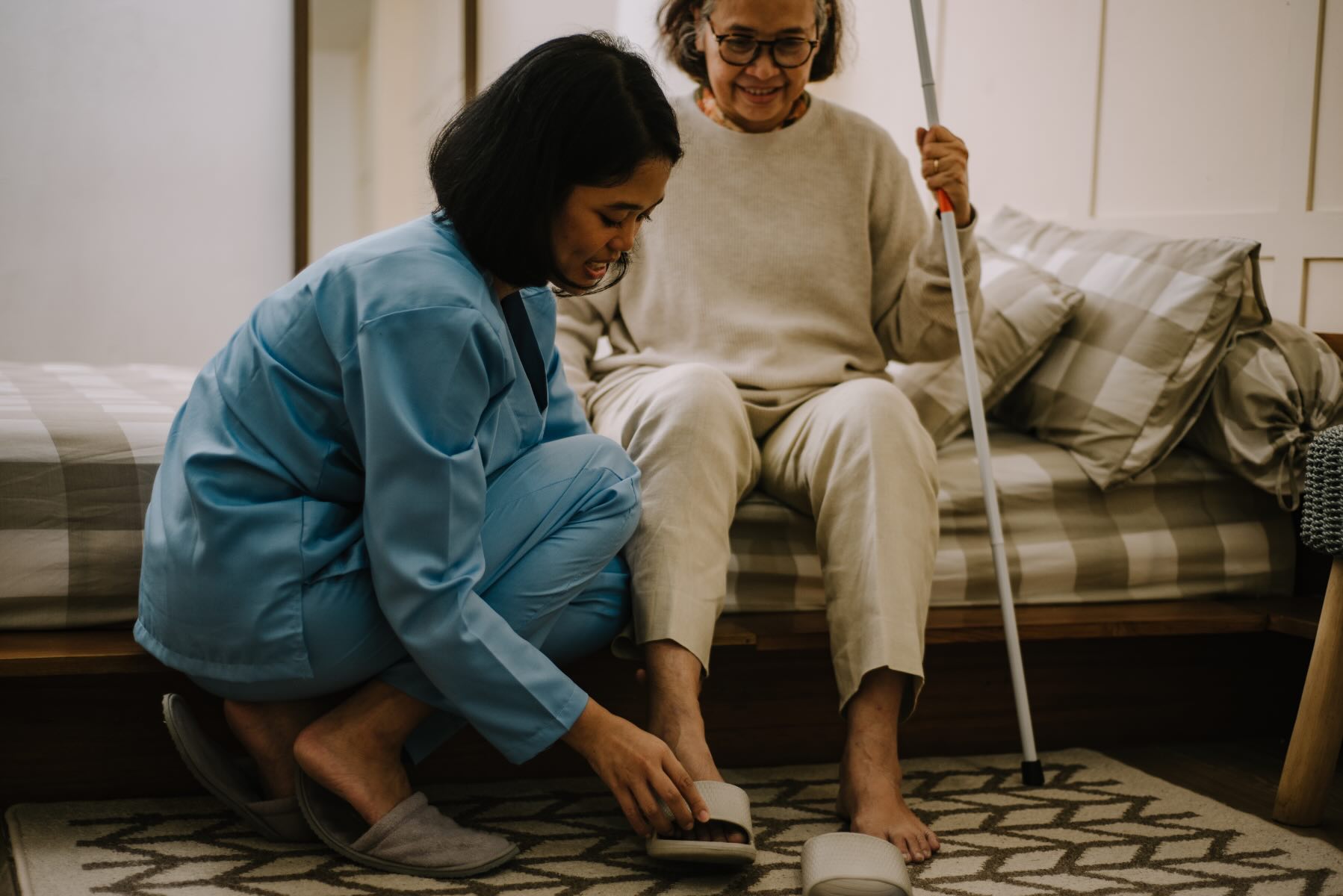
Home health care refers to a range of medical and personal services delivered to patients in their homes. These services aim to assist individuals in maintaining their independence, recovering from illnesses, or managing chronic conditions in a comfortable environment. It encompasses both medical and non-medical care, ensuring that patients receive holistic support tailored to their needs.
Home health care services are typically provided by trained professionals, including nurses, caregivers, therapists, and community health workers. The type and level of care vary based on the patient’s condition, medical history, and family support system.
Types of Home Health Care Services
The home health care sector in South Africa offers a variety of services, catering to different patient needs. These services can be broadly categorized into:
1. Medical and Skilled Nursing Care
Patients with chronic conditions or those recovering from surgeries often require skilled nursing care at home. This includes:
- Administering medication and injections
- Monitoring vital signs
- Wound care and dressing changes
- Pain management
- Post-operative care
2. Personal Care and Assistance
This type of care focuses on helping patients with daily living activities, particularly the elderly and disabled individuals. Services include:
- Bathing, dressing, and grooming
- Meal preparation and feeding assistance
- Mobility support and fall prevention
- Toileting and incontinence care
3. Palliative and Hospice Care
Palliative and hospice care services are designed for patients with terminal illnesses, focusing on comfort, pain management, and emotional support. Caregivers work closely with families to ensure that patients experience dignity and quality of life in their final days.
4. Physiotherapy and Rehabilitation
Patients recovering from strokes, injuries, or surgeries benefit from physiotherapy and rehabilitation services at home. Trained professionals help with:
- Physical therapy and mobility exercises
- Post-surgical rehabilitation
- Occupational therapy for daily functioning
- Speech therapy for stroke or injury patients
5. Chronic Disease Management
For patients with long-term conditions such as diabetes, hypertension, and HIV/AIDS, home health care includes disease monitoring, medication management, and lifestyle coaching to prevent complications.
6. Mental Health and Psychological Support
Mental health professionals offer counselling, psychiatric evaluations, and therapy sessions at home, particularly for patients with depression, anxiety, or post-traumatic stress disorder (PTSD).
Benefits of Home Health Care Services
Home healthcare services provide multiple benefits to patients, families, and the healthcare system, including:
1. Enhanced Comfort and Familiarity
Patients recover faster and experience better mental well-being when receiving care in their own homes rather than in a hospital setting.
2. Cost-Effectiveness
Home care services are often more affordable than hospital stays or institutional care, reducing the financial burden on families and the government.
3. Personalised Care
Home health care allows for tailored treatment plans, ensuring that patients receive individualised attention based on their specific needs.
4. Reduced Hospital Readmissions
By providing continuous care and monitoring, home health care helps prevent hospital readmissions and emergency room visits.
5. Support for Family Caregivers
Families receive guidance and relief from caregiving responsibilities, allowing them to balance their personal and professional lives while ensuring their loved ones receive quality care.
Employment Opportunities in Home Health Care
The growing demand for home healthcare services has created numerous employment opportunities for healthcare professionals in South Africa. Career options include:
- Home Care Nurses: Registered nurses who provide medical care at home.
- Caregivers: Trained individuals assisting with personal care and companionship.
- Community Health Workers (CHWs): Individuals providing healthcare education and support within communities.
- Physiotherapists and Occupational Therapists: Professionals aiding patients with rehabilitation.
- Palliative Care Specialists: Experts in end-of-life care.
The demand for skilled professionals is expected to rise as South Africa continues to address gaps in healthcare accessibility and hospital congestion.
Challenges Facing Home Health Care in South Africa
Despite its growth, the home healthcare industry faces several challenges, including:
1. Limited Funding and Resources
Many home health care programs rely on government funding or NGO support, limiting their expansion and reach.
2. Workforce Shortages
There is a shortage of qualified nurses and caregivers, making it difficult to meet the increasing demand for home care services.
3. Lack of Professional Recognition
Home caregivers often receive lower wages and less recognition than hospital-based healthcare workers, discouraging people from pursuing careers in this field.
4. Healthcare Infrastructure Challenges
In rural and underserved areas, limited healthcare infrastructure makes it challenging to provide consistent and effective home-based care services.
5. Regulatory and Quality Control Issues
Ensuring the quality and safety of home health care services is a major concern, as many caregivers operate without formal oversight or accreditation.
Regulatory Framework for Home Health Care
The South African healthcare sector is regulated by government policies and industry standards to ensure safe and effective service delivery. Key regulations impacting home health care include:
- National Health Act: Provides guidelines for healthcare service delivery, including home care.
- Health Professions Council of South Africa (HPCSA): Regulates healthcare professionals involved in home care services.
- South African Nursing Council (SANC): Oversees nursing qualifications and standards.
- Department of Social Development: Works on caregiver training and support programs.
The Future of Home Health Care in South Africa
The home healthcare industry is poised for significant growth due to several key factors:
1. Increased Government Investment
Government initiatives to promote home and community-based healthcare will lead to better funding and policy development.
2. Technological Advancements
Telemedicine, remote patient monitoring, and mobile healthcare applications will enhance the efficiency and accessibility of home healthcare services.
3. Expanding Private Sector Involvement
More private healthcare companies are entering the home care market, providing specialized and affordable services.
4. Greater Professional Recognition and Training
Efforts to improve caregiver certification and training will professionalise the field, ensuring higher quality care and better job opportunities.
5. Aging Population and Chronic Disease Burden
As South Africa’s population ages and chronic diseases become more prevalent, the demand for home health care services will continue to rise.
Conclusion
Home healthcare services in South Africa play a crucial role in improving healthcare accessibility, reducing hospital congestion, and enhancing the quality of life for patients. While challenges such as funding limitations, workforce shortages, and regulatory gaps persist, ongoing efforts to strengthen the industry hold promise for its future development. As the sector continues to evolve, it is essential for stakeholders—including government bodies, healthcare professionals, and private entities—to collaborate in ensuring the sustainability and effectiveness of home-based healthcare services in South Africa.