Introduction
Home-based care is a vital component of South Africa’s healthcare system, providing essential services to individuals who require medical and personal assistance in the comfort of their homes. With an aging population, increasing prevalence of chronic illnesses, and an overburdened public healthcare sector, the demand for home-based caregivers has risen significantly. This article explores the various opportunities available in the home-based care sector, the qualifications required, challenges in the field, and the future of home-based care employment in South Africa.
Understanding Home-Based Care
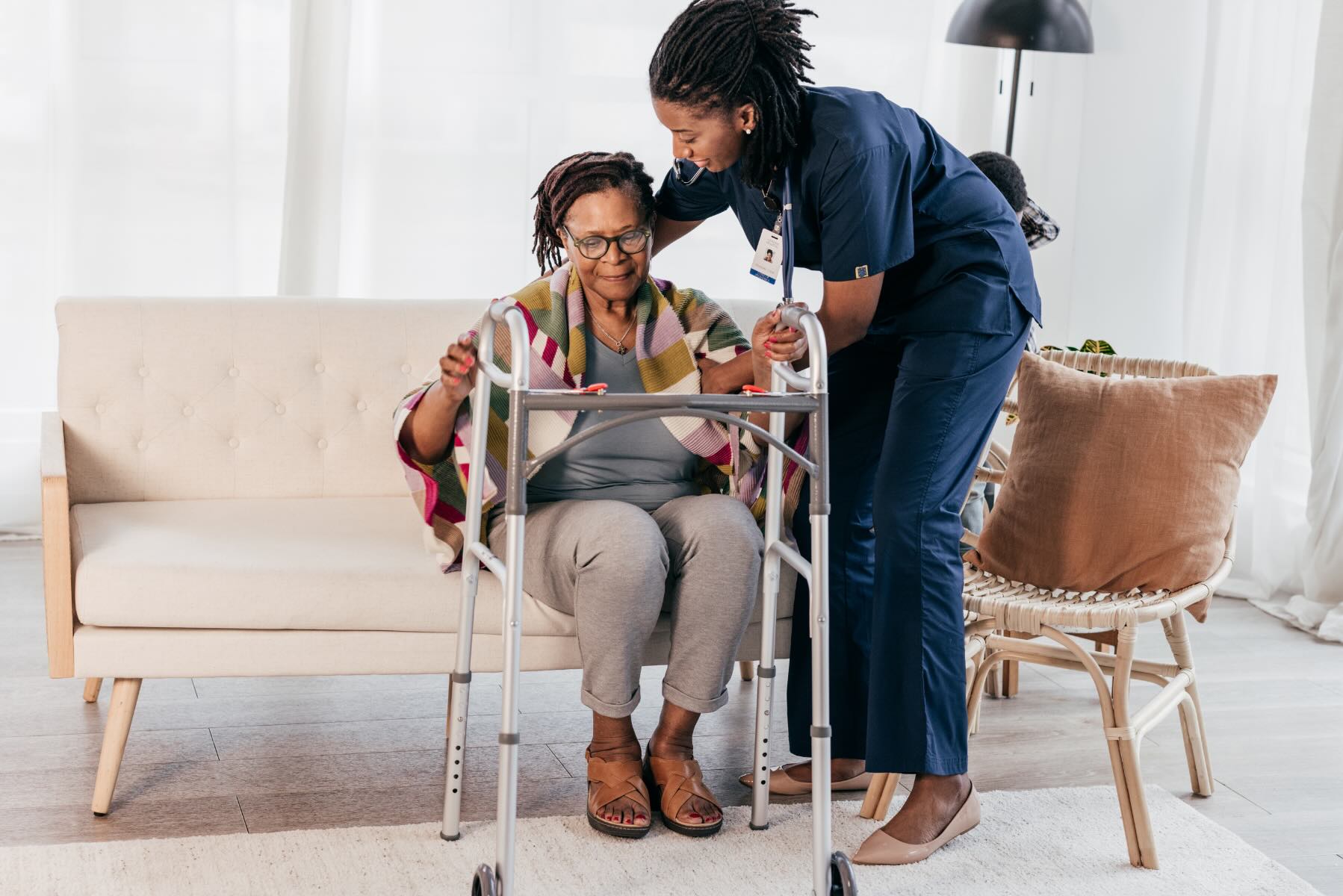
Home-based care involves providing medical and non-medical assistance to individuals in their homes. Caregivers offer support to elderly patients, disabled individuals, those recovering from surgeries, and patients with chronic illnesses. The services provided may include:
- Medical care (wound dressing, administering medication, monitoring vital signs)
- Personal care (bathing, dressing, grooming)
- Companionship and emotional support
- Household assistance (meal preparation, cleaning, errands)
- Physical therapy and rehabilitation assistance
Home-based care differs from institutional care in that it allows patients to remain in a familiar environment, which often results in better emotional well-being and improved recovery times. With advancements in healthcare technology, many medical procedures that once required hospital visits can now be performed at home, further increasing the demand for skilled caregivers.
Demand for Home-Based Care in South Africa
The demand for home-based caregivers in South Africa has been driven by multiple factors:
- Aging Population: As life expectancy increases, more elderly individuals require assistance with daily living activities.
- Chronic Illnesses: Conditions such as diabetes, hypertension, and HIV/AIDS require continuous monitoring and care at home.
- Hospital Overcrowding: With limited hospital beds, healthcare institutions encourage home-based recovery to ease pressure on the system.
- Government and NGO Support: Various initiatives promote community-based care as a means to improve access to healthcare services.
- Economic Factors: Many families cannot afford long-term hospitalization or specialized nursing home care, making home-based care a more affordable alternative.
Home-Based Care Job Vacancies and Opportunities
There are numerous job opportunities for home-based caregivers across South Africa. These roles are available in different capacities:
1. Private Home Caregivers
Many families hire caregivers directly to look after elderly or ill relatives. These positions may be full-time or part-time and often require experience in personal care. Private caregivers are typically responsible for tasks such as helping with daily activities, meal preparation, and ensuring medication adherence.
2. Home-Based Nursing
Qualified nurses may work as home health caregivers, providing medical care to patients recovering from surgeries, strokes, or chronic illnesses. This role often involves working closely with doctors and other healthcare professionals to monitor patient progress.
3. Community Health Workers (CHWs)
Many NGOs and government programmes employ CHWs to provide basic healthcare services and educate communities on disease prevention and management. These workers play an essential role in connecting vulnerable populations with medical resources and assisting with outreach programs.
4. Palliative and Hospice Care Providers
Specialised caregivers provide comfort and support for terminally ill patients, ensuring dignity and quality of life in their final stages. This form of care often includes emotional support for both the patient and their family members.
5. Disability Support Workers
Caregivers assist disabled individuals with mobility support, personal care, and rehabilitation exercises. These roles require patience and understanding, as they often involve working with clients who have lifelong medical conditions.
6. Live-in Caregivers
Some home-based care roles require caregivers to live with the patient full-time, especially when round-the-clock assistance is necessary. These positions are more demanding but often come with higher salaries and benefits such as food and accommodation.
Qualifications and Skills Required
The qualifications for home-based care roles vary depending on the job level and employer. Some common requirements include:
- Basic Caregiving Certificate: Offered by institutions like the Health and Welfare Sector Education and Training Authority (HWSETA)
- Nursing Diploma or Degree: Required for home-based nursing positions
- First Aid and CPR Certification
- Empathy and Patience: Essential soft skills for interacting with vulnerable patients
- Experience in Personal or Medical Care: Some employers require prior caregiving experience
- Physical Stamina: Caregivers often need to assist patients with mobility, requiring strength and endurance.
Additionally, home-based caregivers must have strong communication skills to interact effectively with patients, families, and healthcare professionals. Many employers also prefer caregivers who have a valid driver’s license and access to transportation, as travel between clients may be necessary.
Future of Home-Based Care Jobs in South Africa
The home-based care sector is expected to expand due to government policies promoting community-based healthcare, technological advancements (such as telehealth services), and increased funding for home care programs. Efforts to professionalize caregiving roles, improve wages, and provide better training programs will enhance career prospects in the industry.
- Increased Use of Technology: Remote patient monitoring and telemedicine consultations are reducing the burden on caregivers while improving patient outcomes.
- Government Incentives: The South African government is investing in home healthcare programs to reduce hospital congestion and promote preventive care.
- Growing Private Sector Involvement: More private healthcare companies are entering the home-based care market, creating additional job opportunities.
- Training and Upskilling Initiatives: Programs aimed at improving caregiver qualifications will allow for career progression and specialization in areas such as geriatric care and physiotherapy.
Conclusion
Home-based care is a growing field in South Africa, offering essential services to vulnerable populations and providing employment opportunities for thousands of caregivers. While challenges exist, ongoing reforms and increased recognition of home-based care will pave the way for a more sustainable and rewarding career path in this sector. Those interested in joining the field should consider obtaining relevant qualifications and gaining experience to secure stable employment in this essential healthcare sector. As the demand for home-based care continues to rise, policymakers, healthcare institutions, and caregivers must work together to create a well-structured and professionalised caregiving industry that benefits patients and workers alike.